

Japanese car culture has produced many unique automotive innovations, but few are as distinctive and beloved as the kei car. Originally designed for life in Japan’s tight urban environments, these ultra-compact vehicles have captured the imagination of automotive enthusiasts around the world — thanks to their economical design, practicality, and cultural appeal.
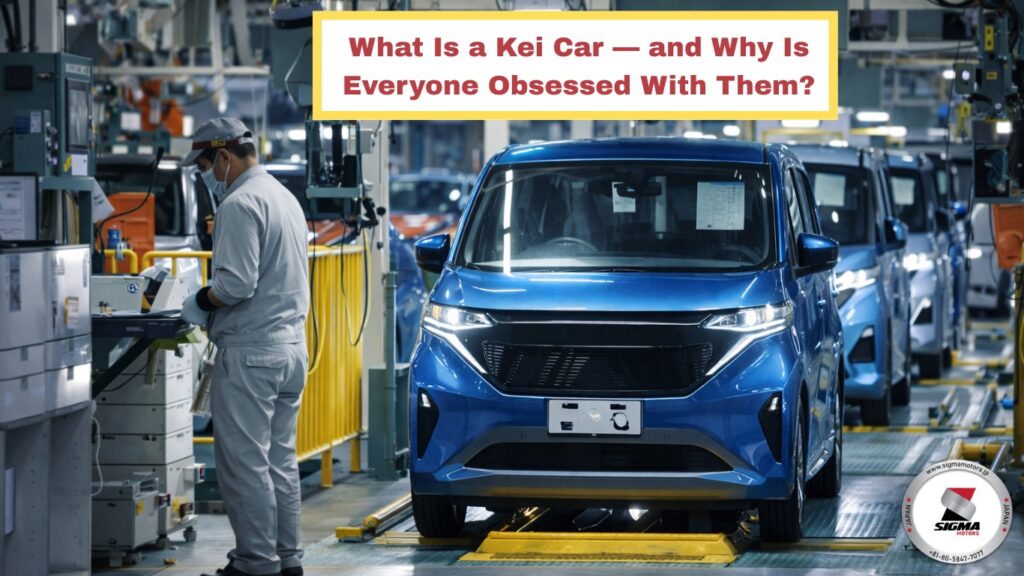
What Is a Kei Car?
A kei car (short for keijidōsha, meaning “light automobile”) is a class of small cars uniquely recognized in Japan. They are defined by strict government rules on size and engine output:
- Max length: 3.4 m
- Max width: 1.48 m
- Max height: 2 m
- Engine displacement: Up to 660 cc
These limits are set so the vehicles stay compact and light, making them ideal for Japan’s dense cities and narrow streets.
Big Benefits in Small Packages
Kei cars were introduced in the late 1940s to make vehicles affordable and easy to own — especially when most people could only afford motorcycles. Today they remain popular thanks to several advantages:
Lower Ownership Costs:
Because of their small engine and size, kei cars enjoy significantly reduced taxes and insurance premiums in Japan, making them extremely cost-effective to own and operate.
Exceptional Fuel Efficiency:
The lightweight design and tiny engines deliver excellent fuel economy, helping drivers save on fuel — especially useful in cities with constant traffic.
Easy Urban Maneuverability:
Their compact proportions allow for effortless navigation through crowded streets and easy parking in tight spaces, a major advantage in congested urban centers.
Practical Everyday Use:
Despite their small size, many kei cars comfortably seat four passengers and offer enough space for daily errands and short commutes.
Why They’ve Gained a Cult Following
While kei cars were born of necessity, they’ve grown into something more:
Cultural Appeal:
Their quirky styling and “cute” proportions have made them cultural icons — frequently featured in anime, JDM scenes, and social media.
Growing Global Interest:
Outside Japan, enthusiasts value kei cars for their affordability and novelty. Some countries now allow limited importation, especially of older models — adding to their appeal among niche collectors.
Functional & Fun:
For many drivers, kei cars blend practicality with personality — perfect for city living, budget-friendly transport, or even as a second urban vehicle.
Kei Cars vs. Traditional Vehicles
Kei cars aren’t meant to replace larger family cars or highway cruisers — their design prioritizes:
- Compactness over high-speed performance
- Fuel economy over engine power
- Urban convenience over long-distance comfort
This makes them ideal city commuters, budget-conscious buyers, and first-time car owners — especially in dense metropolitan areas or markets where space and cost matter most.
Sigma Motors tracks global automotive trends, including unique innovations like kei cars. Whether you’re curious about importing a compact city car or want to explore Japanese automotive culture, we offer expert guidance on sourcing vehicles that fit your lifestyle and budget.