


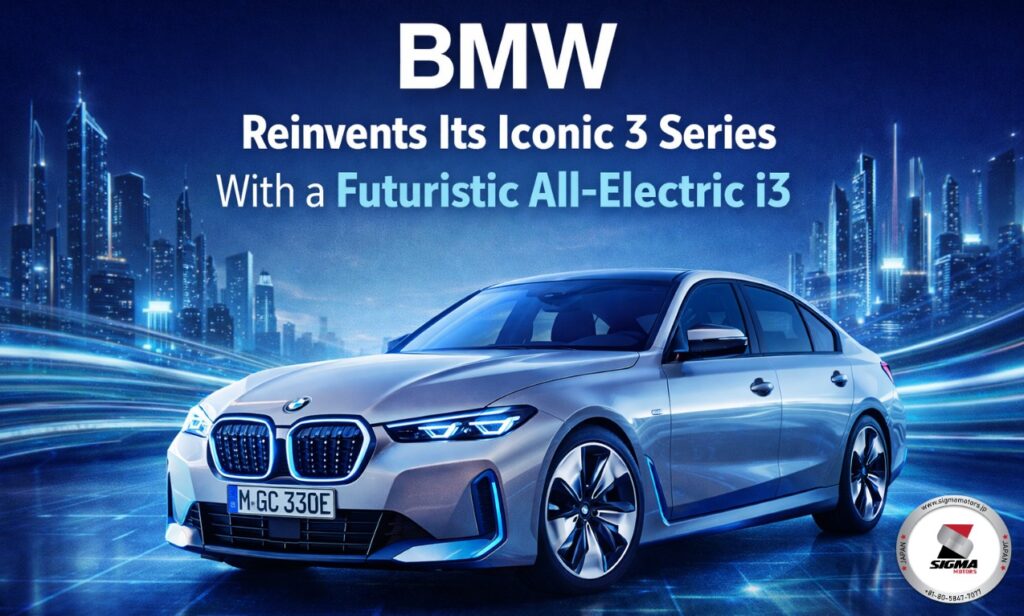
BMW is transforming one of its most traditional and best-selling sedans into a high-tech electric vehicle. The all-new BMW i3 marks a major shift for the brand, turning the classic 3 Series formula into a futuristic, fully electric experience.
While the design still reflects BMW’s heritage, the technology underneath represents a complete reset for the company’s most important model line.
A Classic Sedan Enters the Electric Era
For decades, the BMW 3 Series has been known as the brand’s core sedan. Now, BMW is introducing its electric counterpart, the BMW i3, built on the company’s new Neue Klasse EV platform.
Unlike the original i3 hatchback from the past, this new model is a full-size executive sedan, designed to directly mirror the traditional 3 Series but with a fully electric drivetrain.
This signals BMW’s strategy of offering electric and petrol models side by side while gradually shifting toward electrification.
A Ground-Up Redesign With Advanced Technology
The new BMW i3 is not just an electrified version of an existing car—it’s built from scratch using a dedicated EV architecture.
Key innovations include:
- 800-volt electrical system for ultra-fast charging
- New battery tech with higher energy density
- Advanced onboard computing systems (“superbrains”)
- Next-generation software-driven vehicle controls
This new platform allows BMW to significantly improve efficiency, performance, and digital capabilities compared to its previous EVs.
Impressive Range and Performance Figures
Early figures suggest that the electric sedan will deliver strong performance along with long driving range.
Expected highlights:
- Up to ~500 miles (800 km+) range depending on variant
- Around 463–469 horsepower from dual motors
- All-wheel drive (xDrive) configuration
- Ultra-fast charging with up to 400 kW capability
These numbers place the i3 among the most competitive electric sedans in the premium segment.
A Minimalist Yet High-Tech Interior
Inside, BMW is introducing a completely new cabin concept focused on digital interaction.
Features include:
- Panoramic display projected across the windshield
- Minimal physical controls for a cleaner layout
- Advanced head-up display and driver-focused interface
- AI-powered systems for driving and infotainment
This futuristic interior replaces the traditional dashboard layout, showing how BMW is rethinking the driving experience for the EV era.
Production and Launch Timeline
BMW has confirmed that production of the BMW i3 will begin in the second half of 2026 at its Munich plant.
The model is expected to:
- Launch in global markets by late 2026
- Reach additional markets, including the U.S., by 2027
This rollout marks the beginning of BMW’s next generation of electric vehicles.
The Start of BMW’s New Era
The new i3 is more than just another EV—it represents the future direction of BMW. The Neue Klasse platform will underpin multiple upcoming models, making it the foundation of the brand’s next phase.
BMW plans to introduce dozens of new or updated models by 2027, many of them electric, showing how serious the company is about this transition.
Final Thoughts
By turning its most traditional sedan into a cutting-edge electric vehicle, BMW is blending heritage with innovation. The BMW i3 proves that the future of driving can still carry the DNA of classic performance cars—just powered by electricity instead of fuel.
For enthusiasts and everyday drivers alike, this new model could redefine what a modern sports sedan looks and feels like.
Sigma Motors Japan keeps you updated with the latest global automotive innovations, electric vehicles, and premium car developments.